Why CA Firms Miss GST Deadlines and How to Prevent It
In India's GST regime, timely compliance isn't just a checkbox. It is a lifeline for businesses. Late filings rack up penalties of ₹20-50 per day (up to ₹10,000 per return), 18% interest on unpaid tax, blocked Input Tax Credit (ITC) worth crores annually, and risks like e-way bill suspensi...
In India's GST regime, timely compliance isn't just a checkbox. It is a lifeline for businesses. Late filings rack up penalties of ₹20-50 per day (up to ₹10,000 per return), 18% interest on unpaid tax, blocked Input Tax Credit (ITC) worth crores annually, and risks like e-way bill suspensions that halt operations. For CA firms managing 50-500 clients, these misses amplify into lost revenue, eroded trust, and mounting notices.
Drawing from GSTN data showing over 20% of returns filed late monthly, the core issue boils down to practical hurdles like manual tracking and client delays—challenges addressable through smarter processes and tools. Missing GST deadlines repeatedly not only increases penalties but also damages long-term client trust.
The Impact of Missing GST Deadlines
Missing GST deadlines can lead to automatic penalties and interest charges under the GST law, and it may also disrupt Input Tax Credit (ITC) claims and GST portal functionalities, making timely compliance crucial for businesses and the CA firms that support them.
1. Penalties & Interest
The GST portal auto-calculates penalties: for GSTR-3B, it's ₹50/day for turnover >₹1.5 crore (max ₹10,000), plus 18% p.a. interest under Section 50 from the due date (e.g., 20th for most). A single delayed ₹5 lakh liability return could cost ₹9,000 in interest alone over 30 days (Depends on liability amount, interest calculation is formula-based). Nil returns aren't exempt ₹20/day fines apply, hitting small firms hardest per 2024 GSTN analytics. Managing GST deadlines effectively requires structured tracking, not just memory or manual reminders.
2. Business & Client Consequences
Untimely GSTR-3B blocks ITC claims from GSTR-2B, forcing clients to pay tax from their pockets—e.g., a manufacturer loses ₹2-5 lakh monthly credits. Repeated delays trigger e-way bill blocks (under Rule 138A), GSTIN suspensions, and automated notices/scrutiny under Section 61, escalating to audits. Clients blame CAs, leading to churn; a 2025 FICCI survey found 35% of SMEs switched advisors over compliance lapses.
Why CA Firms Miss GST Deadlines

Despite clear statutory timelines for GST return filing, many CA firms still struggle to meet deadlines consistently because the challenges stem not from a lack of effort but from process gaps, operational bottlenecks, and workflow inefficiencies that disrupt timely preparation and submission. When GST deadlines approach without proper workflow visibility, errors and last-minute rushes become inevitable.
a) Manual Tracking & Reminder Gaps
Many firms rely on spreadsheets, email calendars, or desktop reminders to track multiple return deadlines across clients — for example, GSTR-1, GSTR-3B, and annual forms like GSTR-9. As client numbers grow, this manual approach becomes harder to manage, increasing the risk that reminders are overlooked, especially under tight monthly/quarterly deadlines. Software limitations or lack of real-time alerts means teams often find out about missing due dates too late.
b) Document Delays from Clients
Timely filing depends on receiving complete, accurate data from clients. When businesses upload numerous invoices or reconciled books only close to the deadline, it compresses the preparation window. Data entry and reconciliation tasks — such as matching outward supplies to return summaries — then take longer and push filing closer to the cut-off. These delays often cascade across multiple clients, contributing to late submissions.
c) Data Reconciliation and Errors
GST compliance requires careful reconciliation between different data points — for example, supplier invoices, GSTR-1 summaries, and the portal’s GSTR-2B records. Mismatches due to incorrect GSTINs, invoice details, or unreported purchases can trigger errors or notices, forcing CAs to revisit data and revalidate entries before they can file, delaying the process. Proactive monitoring of GST deadlines helps CA firms reduce compliance stress during peak filing seasons.
d) Workload Overload & Human Factors
Peak periods such as quarter-end or annual return seasons naturally spike compliance work. With increased volume, teams may juggle tasks imbalancedly, and senior staff may assume juniors have completed certain returns, or vice versa. These coordination challenges, along with human errors in data entry and deadline oversight, contribute significantly to missed dates.
e) Technology Limitations
Legacy desktop accounting tools or siloed systems without cloud-based access, mobile alerts, or integration with GST portals mean CA teams can’t work effectively from remote locations or coordinate seamlessly. Lack of real-time data access and collaborative features hampers workflows, especially when teams are distributed or working under pressure, leading to avoidable delays.
Common GST Mistakes That Contribute to Deadlines Being Missed
Meeting GST deadlines isn’t just about remembering dates, it also requires accuracy and consistency in the data you file. Clear ownership and automation are critical to meeting GST deadlines consistently across multiple clients. Several common errors can delay preparation or trigger compliance notices, making it harder to file on time:
• Ignoring reconciliation mismatches between GSTR-1 and GSTR-3B:
One frequent issue is when the sales reported in GSTR-1 don’t match the summary figures in GSTR-3B, leading to discrepancies in tax liability and potential portal notices. Monthly reconciliation of outward supplies and tax liability helps catch these mismatches early and prevents last-minute corrections.
• Not filing nil returns on time:
Even when there are no transactions in a tax period, filing nil GST returns is mandatory. Skipping this requirement results in penalties and can block future compliance actions until resolved. This is a simple but often overlooked task, especially when firms focus on busier clients. Firms that systemize GST deadlines management experience fewer notices and smoother monthly operations.
• Wrong GSTIN or mismatched details causing rejections:
Simple typos in GSTINs, HSN/SAC codes, or invoice details can lead to rejection by the GST portal or incorrect data reconciliation, forcing rework and wasting precious time before the deadline. Double-checking these details using verification tools or master lists can prevent such errors.
• Not reconciling e-way bill data with returns:
Mismatches between e-way bill information and GST return data often cause compliance notices and block further e-way bill generation until corrected. Staying on top of these reconciliations on a monthly basis helps ensure that transport documentation aligns with GST filings. Automating reminders for GST deadlines ensures accountability across junior and senior team members.
• Overlooking differences between quarterly and monthly filers:
Some taxpayers change filing patterns (e.g., quarterly GSTR-1 under QRMP vs. monthly filing). Failing to track these changes can lead to missed deadlines or incorrect filing cycles, especially when team members assume a return type has already been scheduled. Clear escalation systems prevent GST deadlines from being ignored during peak workload periods.
By addressing these common errors proactively, especially through monthly reconciliation and structured verification, CA firms can significantly reduce manual corrections, avoid last-minute rushes, and improve overall compliance accuracy. Firms that prioritise GST deadlines management build a reputation for reliability and professionalism.
How to Prevent Missing GST Deadlines
Meeting GST deadlines consistently takes more than just remembering dates; it requires proactive systems, clear ownership, and repeatable workflows that ensure no step is overlooked month after month.
Tracking GST deadlines through centralized dashboards ensures no return is overlooked. Here is how CA firms can build a reliable process:
a) Use a Centralised Compliance Calendar
Create a single, shared calendar that contains all GST return due dates, which includes GSTR-1, GSTR-3B, CMP-08 and other filings. Sync this with tools like Google Calendar or practice management software so team members always see up-to-date deadlines in colour-coded formats (e.g., red for critical returns). Reviewing the calendar weekly helps catch any deadline shifts or extensions released by the GST portal before they become urgent.
b) Automate Reminder and Alert Systems
Set up multi-tier alerts for each filing, for example, 10 days, 7 days, 3 days and 1 day before the due date. These can be sent via email, SMS or app notifications so teams and clients get timely nudges. Integrations with workflow tools or automation platforms like Zapier can also send reminders through WhatsApp or other preferred channels, helping reduce missed deadlines significantly.
c) Standardise Client Document Requests
Define a clear schedule for clients to submit their source documents (such as sales invoices, purchase registers and e-way bills) well ahead of due dates, for example, by the 10th of each month. Use templated checklists and automated follow-ups to reduce confusion and ensure files arrive early in the process, giving your team enough time for review and reconciliation.
d) Reconcile Monthly Data Early
Don’t wait until days before the deadline to match books with return data. By reconciling key figures against statements like GSTR-2B and your internal purchase register by mid-month, you can identify variances, follow up with clients for corrections, and avoid error-driven delays later on. This early-reconciliation habit solves many mismatches before they become compliance issues.
e) Assign Clear Ownership Within the Team
Define clear roles for every compliance task, for example, a junior team member reconciles data, a senior reviews the figures, and a partner signs off on the filing. Use shared dashboards to log task progress, so everyone knows who is responsible for each action and there’s no ambiguity during handovers or absence.
f) Use Collaborative Communication Tools
Dedicated communication channels such as Slack or Microsoft Teams help keep compliance conversations organised and accessible. Custom reminder bots or pinned files for each client can reduce reliance on long email threads and ensure that deadlines, document status updates, and task assignments are visible to the whole team.
Role of Technology and Smart Workflows

Advanced platforms embed automated compliance calendars synced to GSTN, multi-channel reminders (email/SMS/WhatsApp with read receipts), real-time task trackers with progress bars, client-facing boards for status updates, and secure document vaults with version histories and e-signatures. Real-time dashboards bring visibility to upcoming GST deadlines and pending return statuses.
Technology-driven alerts play a key role in preventing missed GST deadlines. This proactive shift minimises errors (down 40% per NASSCOM studies), eliminates rushes, and lets CAs prioritise value-adds like tax planning over data entry.
Tools & Practices CA Firms Can Leverage
As CA firms scale, keeping compliance workflows organised and visible for dozens or hundreds of clients becomes essential.
Strong internal processes transform GST deadlines from a recurring challenge into a predictable routine.Beyond manual tracking, today’s ecosystem offers a range of tools that boost collaboration, automation, and deadline accountability:
Shared Calendars with Alert Integrations:
Tools like Google Workspace or Microsoft Outlook can be paired with compliance calendars that sync statutory deadlines directly into team calendars. Some compliance calendars also update automatically with official GST, TDS and ROC filing dates, making it easier to colour-code deadlines and assign them to specific team members. This centralised timeline improves visibility across the firm and reduces reliance on ad-hoc reminders.
Workflow/Task Management Tools:
Platforms such as Asana, Monday.com, Smartsheet, and similar services allow CA firms to build Kanban-style pipelines or task boards that break down compliance tasks by client, due date, and owner. Tasks can include subtasks such as reconciliation, drafting, review, and filing, each with its own timelines and notifications, making it easier to manage complex workstreams across teams.
Compliance Tracking Platforms:
Dedicated solutions designed for accounting and tax practices bring multi-client dashboards that show deadlines, risk indicators and filing status in one view. These dashboards help firms prioritise high-risk clients, monitor progress across return types, and trigger automated alerts before deadlines, ensuring nothing slips through in busy months.
Document Management and Collaborative Portals:
Secure document storage platforms like Dropbox Business or Microsoft SharePoint provide central repositories where client documents, reconciliations and filings can be stored, tracked and versioned. With approval workflows and shared access, teams can collaborate on data preparation and review more efficiently without relying on email attachments or fragmented file locations.
Each of these tools helps transform compliance work from a burdensome manual process into a systemised, transparent workflow that supports scalability, team coordination and proactive deadline management. Ultimately, mastering GST deadlines management strengthens both compliance accuracy and client confidence.
How Structured Compliance Platforms Support GST Discipline
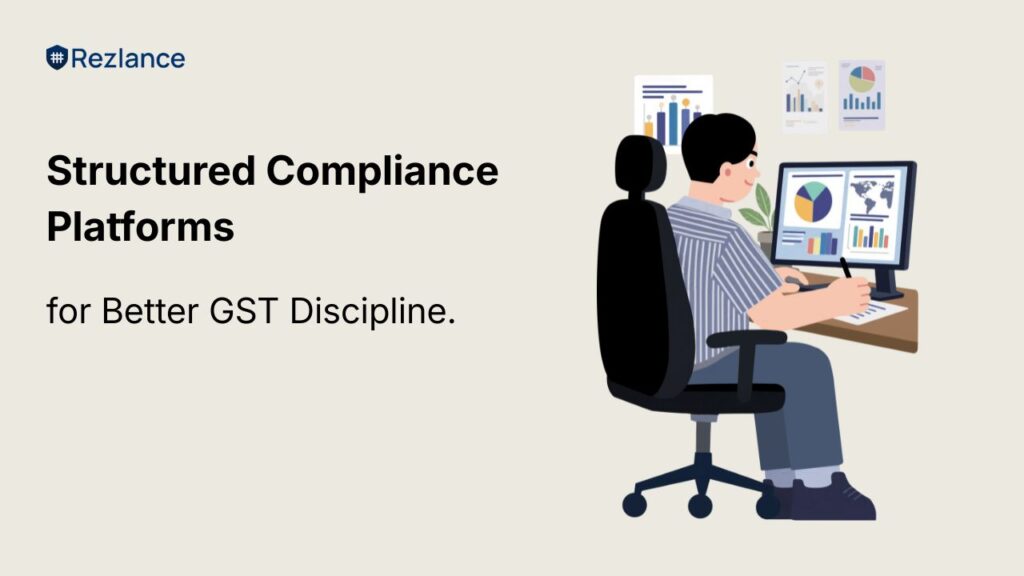
Structured compliance platforms fundamentally change how CA firms manage GST obligations by replacing fragmented manual tracking with data-driven, unified processes. Instead of juggling spreadsheets, emails, and siloed reminders, these systems bring all key compliance information into a single dashboard that shows upcoming deadlines, return status and risk levels across multiple clients at a glance.
Effective planning around GST deadlines helps CA firms avoid unnecessary penalties and interest burdens for clients.For example, live dashboards often use visual indicators such as heatmaps or priority flags to highlight urgent GSTR-3B or GSTR-1 filings, making it easier to prioritise work and avoid last-minute rushes.
Automated alerts and escalation workflows are another critical advantage. These platforms can send reminders well before due dates and escalate notifications to team leads or partners if tasks are still pending as deadlines approach, so accountability doesn’t rely on memory or manual checks. This reduces the risk of slipping past crucial dates and provides real-time visibility into what remains outstanding.
Task management features allow firms to assign responsibilities with clear notifications and progress tracking, ensuring each part of the filing process, reconciliation, review, draft preparation and submission is owned and monitored. This reduces ambiguity and makes workloads transparent across teams. Delayed document collection is one of the biggest reasons GST deadlines are missed in growing firms.
Centralised storage means that invoices, e-way bills, reconciled data and audit logs are all held in one place, searchable by return period or client, which simplifies filing preparation and audit readiness. Some systems also provide client-facing portals where clients can upload documents directly, reducing back-and-forth communication and cutting down on delays in receiving necessary records. A structured compliance calendar makes tracking GST deadlines far more reliable than manual spreadsheets.
By bringing visibility, automation, collaboration and document management together, structured compliance platforms help firms execute GST work more consistently and proactively, reducing errors and late notices while freeing up time to focus on value-added advisory work rather than firefighting.
Conclusion
GST deadline misses inflict tangible pain ₹ billions in penalties/interest yearly, blocked ITC, notices, and client attrition yet stem from fixable process gaps, not malice. Consistent review checkpoints before GST deadlines reduce last-minute reconciliation errors.
By adopting centralised calendars, automations, clear ownership, and tech platforms, CA firms can slash breaches by 70-90%, per 2025 benchmarks. This blend of discipline and innovation cuts stress, elevates service quality, builds resilience, and positions your practice for

Run your CA firm without the chaos
Compliance tracking, client management, billing, and document collection — all in one place built for CA firms.
Start Free TrialCA practice insights — in your inbox
Good to know:
A CSR assessment does not measure what you intend to do, but what your company is actually able to demonstrate, supported by documents and indicators.
CSR Assessment Guide
Want to clearly understand where you stand and which actions to prioritise to succeed in your CSR assessments, without starting from scratch every time?
Related articles

How to Manage a CA Firm Efficiently in 2026
Understanding how to manage a CA firm effectively begins with building structured workflows and clear accountability systems. Running a Chartered Acco...
How to Manage Compliance Deadlines in a CA Firm Without Missing Due Dates
Compliance deadlines form the backbone of operations in any Chartered Accountancy firm in India, it ensures regulatory adherence for clients across GS...
RezLance vs. Traditional Spreadsheets: Why It’s Time to Upgrade Your Compliance Strategy
The compliance landscape for CA firms has changed dramatically. Filing cycles are tighter. Regulatory scrutiny is sharper. Clients expect faster respo...
Ready to get
compliant? Ditto.
Turn your CSR program into a strategic advantage with a compliance copilot that's with you every step of the way.